In this guide
- Termite and borer protection comes from a preservative treatment, not from the grade; BWP and Marine describe the glue bond and water resistance.
- IS 303 requires veneers from non-durable species and sapwood to be treated, and IS 5539 covers fully preservative-treated plywood.
- Brands add their own methods, such as preservative mixed into the glue line, and describe the protection on their warranty card.
- Cut edges, drilled holes and damp walls are where problems usually start, so seal edges and keep furniture off wet walls.
- Anti-termite treatment of the building is a separate job, covered by its own Indian Standard, IS 6313.
Is any plywood truly termite proof?
No plywood is immune. Termite-proof plywood has veneers or glue lines treated with a preservative that termites and borers avoid or are killed by, which makes attack far less likely. But untreated cut edges, damp walls and an existing colony can still cause damage. Sri Sri Plywoods treats the label as one layer of protection, not the whole plan.
The words on the sheet are marketing shorthand for a treatment. "Termite proof", "termite resistant" and "anti-termite" all describe the same idea: a chemical in the wood that makes it a poor meal. How well it works depends on how deep the treatment goes, what it is, and how the sheet is cut, fixed and placed in your home.
How is plywood made termite and borer resistant?
There are three main routes, plus each brand's own recipe, and many sheets use more than one:
Required for some timbers
IS 303 requires veneers from non-durable species, and the sapwood of all species, to be treated, for example by soaking in boric acid or borax solution, either at the veneer stage or after the board is made.
Chemical in every layer
A preservative is mixed into the adhesive, so each glue line between veneers carries it. CenturyPly calls its version Glue Line Protection (GLP).
IS 5539
IS 5539 covers plywood treated against fungi, termites, other insects and marine borers, with set preservative types and methods such as pressure or soaking treatment.
Read the card
Greenply, for example, says it adds termite-repellent treatments during manufacture. Each brand describes its own method and cover.
IS 5539 makes a useful point for buyers: where maximum protection is needed, the preservative should penetrate the plywood fully, so that no untreated wood is exposed when the sheet is cut or drilled. That is the difference between a surface treatment and one that goes all the way through.
What do "termite proof" and "borer proof" labels mean?
A termite-proof or borer-proof label means the manufacturer has treated the plywood against those insects and backs the claim in its own terms, usually on a warranty card. It does not mean the sheet cannot be attacked in any condition. Termites eat wood from outside; borers are beetle larvae that tunnel inside it.
| Label says | What it usually means | What it doesn't mean |
|---|---|---|
| Termite proof / termite resistant | Treated so termites avoid or die on contact | Immune on damp walls or with a live colony nearby |
| Borer proof / borer resistant | Treated against wood-boring beetle larvae | Protected where untreated wood is exposed |
| GLP or glue-line treated | Preservative in the adhesive layers | Every face and edge is sealed |
| ISI mark with IS 303 or IS 710 | Made and tested to that plywood standard | A termite claim by itself |
| IS 5539 or "treated" marking | Preservative-treated plywood to that standard | Anti-termite treatment of your building |
Two sheets can carry the same words and very different cover. One brand may cover only the replacement of a faulty sheet; another may describe cover for the furniture made from it. The words on the face tell you a treatment exists. The warranty card tells you what the maker will actually stand behind, so read it before you compare rates.
Does waterproof BWP or marine plywood resist termites?
Not on its own: waterproof plywood is not automatically termite proof. MR, BWR, BWP and Marine describe the glue bond and how the sheet copes with water, as our guide to plywood grades explains. Termite and borer protection is a separate treatment.
In practice, many BWP and Marine sheets from major brands are also treated, and some MR sheets are too. So a BWP sheet can still need its termite claim checked, and an MR sheet with a clear treatment claim may suit a dry bedroom. Read both: the grade stamp for water, and the brand's marking and warranty card for insects.
The glue matters in one more way. IS 303 says that urea-based (aminoresin) adhesives extended by more than 25 percent must contain enough preservative to pass the standard's mycological test, which checks that the bond survives fungal attack. It is a reminder that the glue line itself can carry protection, and that standards set a minimum rather than a brand's full claim.
The same applies to other boards. HDHMR makers and block board makers state their own termite and borer claims, and IS 1659 for block board has its own treatment clause.
Termites at home?
Get a free quoteWhy do plywood edges and damp walls matter so much?
Most termite trouble in furniture starts where the wood meets the building: the back of a wardrobe against an external wall, the bottom of a kitchen base unit near the floor, or a loft resting on a damp slab. Termites work in damp, dark and undisturbed places, and Tricity's monsoon months add moisture to walls and floors.
The risk is usually highest in ground-floor rooms, in homes with gardens or lawns close to the walls, in wardrobes that share a wall with a bathroom, and in kitchens where a sink or RO line runs behind the base units. Those are the places to spend on a treated sheet with clear paperwork, and to be strict about the fitting details below.
- Seal every cut edge with edge-banding, and fill or seal drilled holes that are left open.
- Keep a gap from walls, especially external or bathroom walls that turn damp in the monsoon.
- Lift base units on legs with a plinth instead of setting the board directly on the floor.
- Fix leaks first. A dripping pipe behind a cabinet invites both swelling and insects.
- Don't store old cartons, paper or wood behind or under furniture; they are food and cover for termites.
Is anti-termite treatment of the house a separate job?
Yes. Treated plywood protects the furniture; it does nothing to the colony in the soil, walls or floor. Anti-termite work on a building is covered by IS 6313, the Bureau of Indian Standards code for anti-termite measures in buildings, which has parts for constructional measures, pre-construction chemical treatment and treatment of existing buildings.
If you are building, ask your contractor about pre-construction soil treatment. If termites are already active in your home, call a licensed pest-control service before new furniture goes in, and fit the furniture only after the treatment is done.
When you renovate, take out damaged furniture, skirting and old wooden frames rather than reusing them next to new cabinets. Old wood with an active infestation can carry it straight into the new work.
What should you check before you buy?
- Read the stamp: the ISI mark, the standard (IS 303 or IS 710) and the grade, so you know the water rating.
- Find the termite and borer claim printed on the sheet or in the brand's literature, and note the product name.
- Ask for the warranty card and read what it covers, for how long and on what conditions, including installation.
- Keep the GST bill naming the brand, product, grade and thickness, and file it with the warranty card as proof of purchase.
- Plan the site: seal edges, keep furniture off damp walls, and treat the building first if termites are already present.
When you read a warranty card, look for four things rather than just the number of years:
- Which product it covers, by name, so it matches the sheet you bought.
- What counts as a defect: manufacturing faults, termite and borer damage, or both.
- The conditions, such as how the sheet must be installed and kept.
- How to claim: what proof you need and who inspects the damage.
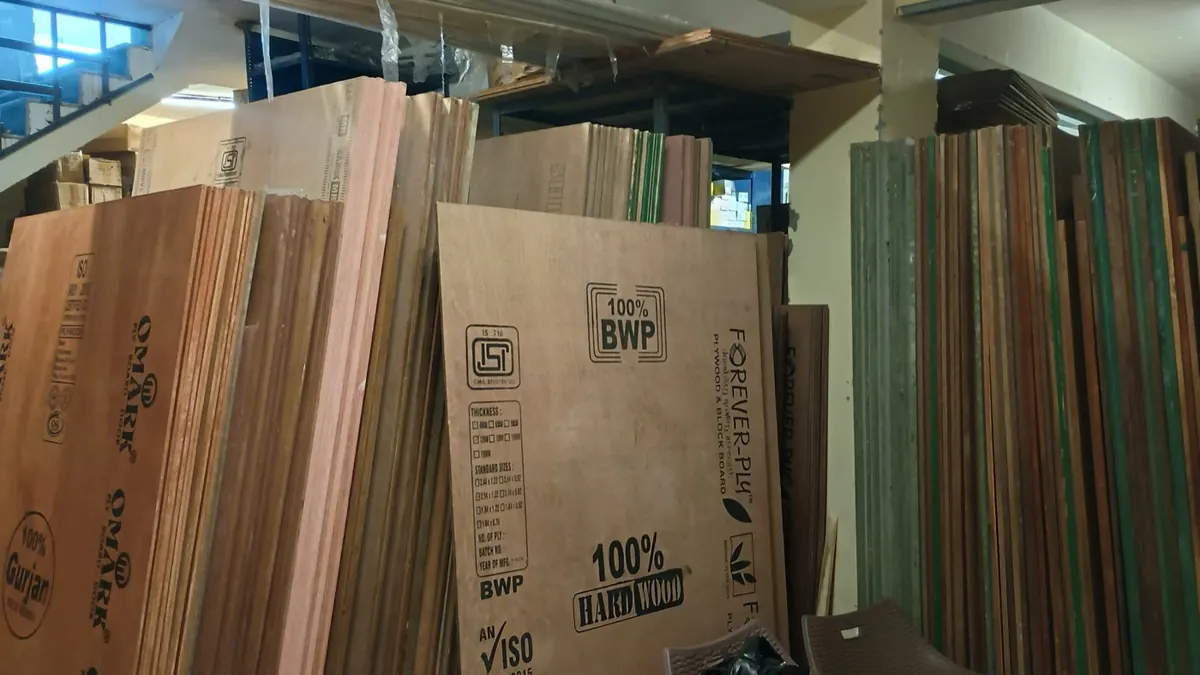
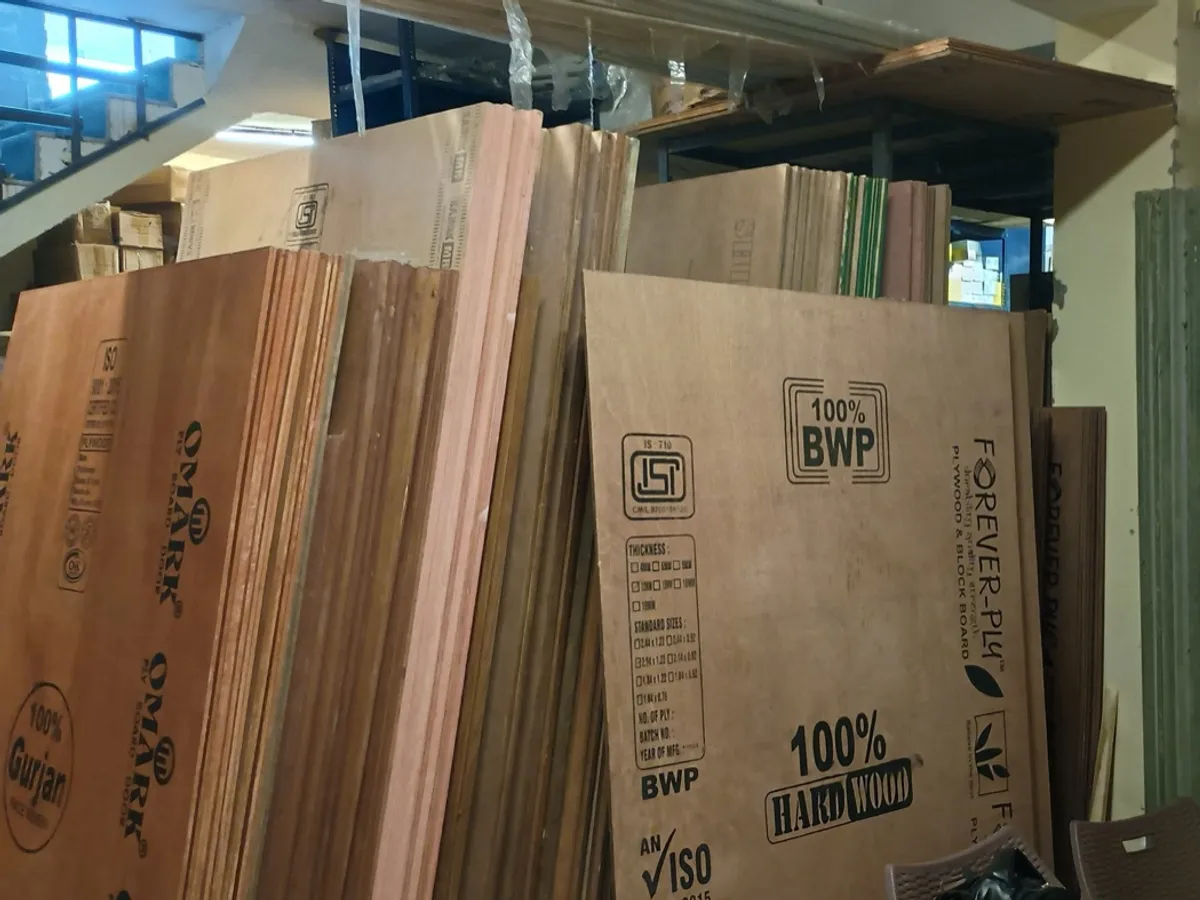
Sri Sri Plywoods sells ISI-certified material across every grade, and you can compare markings and warranty cards at the Mohali and Ambala showrooms; see the plywood section for the range of brands on display.
The Sri Sri Plywoods rule: buy a treated sheet, then give it a dry, sealed home. The label protects the wood; good fitting keeps the termites from getting a start.