In this guide
- Fluted panels and louvers are the same idea: ribbed wall panels that add texture and shadow to a flat wall.
- The material decides where a panel can go: WPC and PVC tolerate damp, while MDF and solid wood belong in dry rooms.
- Fix any damp in the wall before paneling it, and plan TV brackets, switches and lights before the first batten goes up.
- Deeper, narrower grooves look richer but gather more dust, so pick a profile you are happy to dust every week.
- Choose colours with the room's light and the rest of the furniture in view, not from a single small sample.
What are fluted panels and louvers?
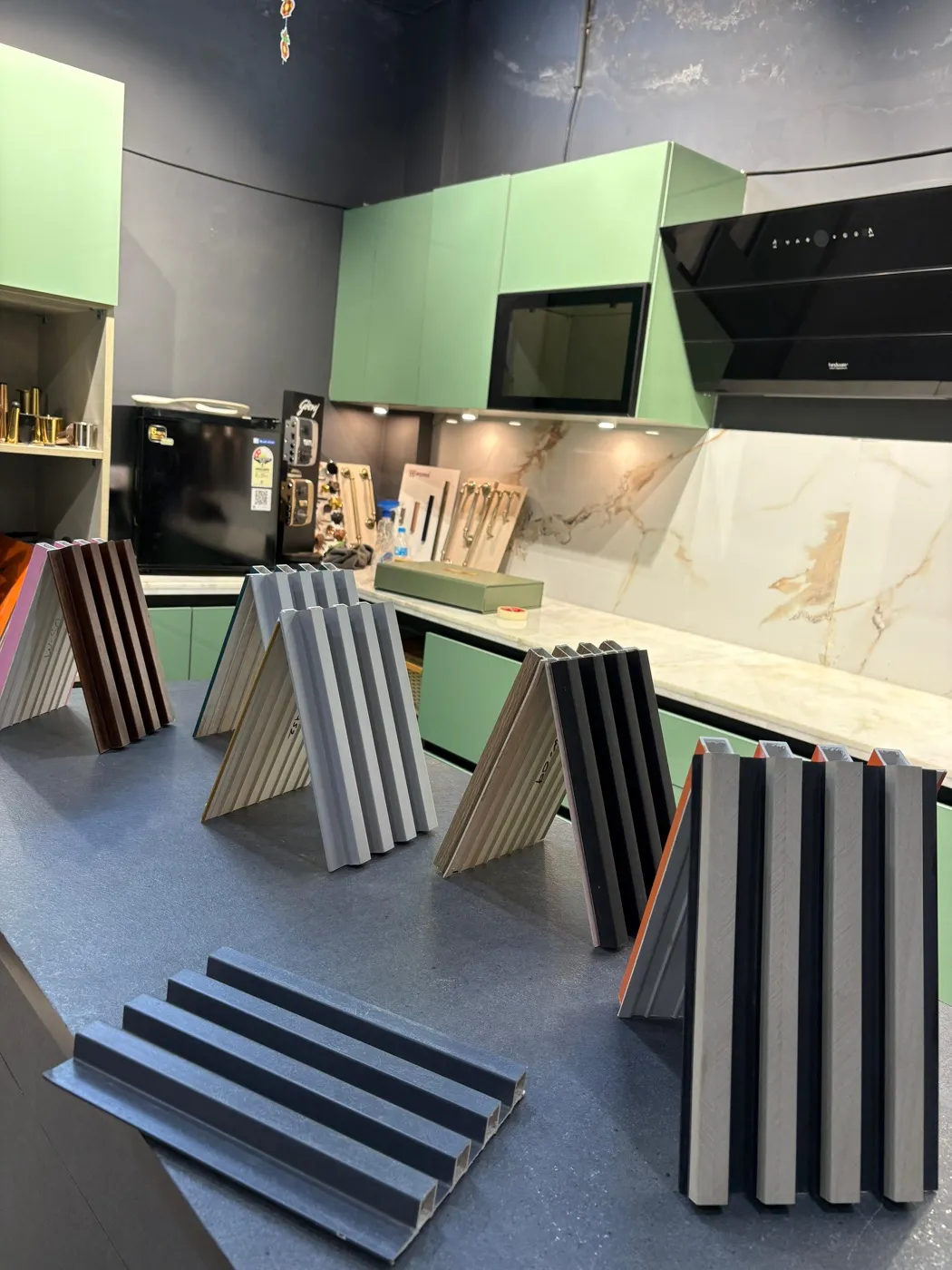
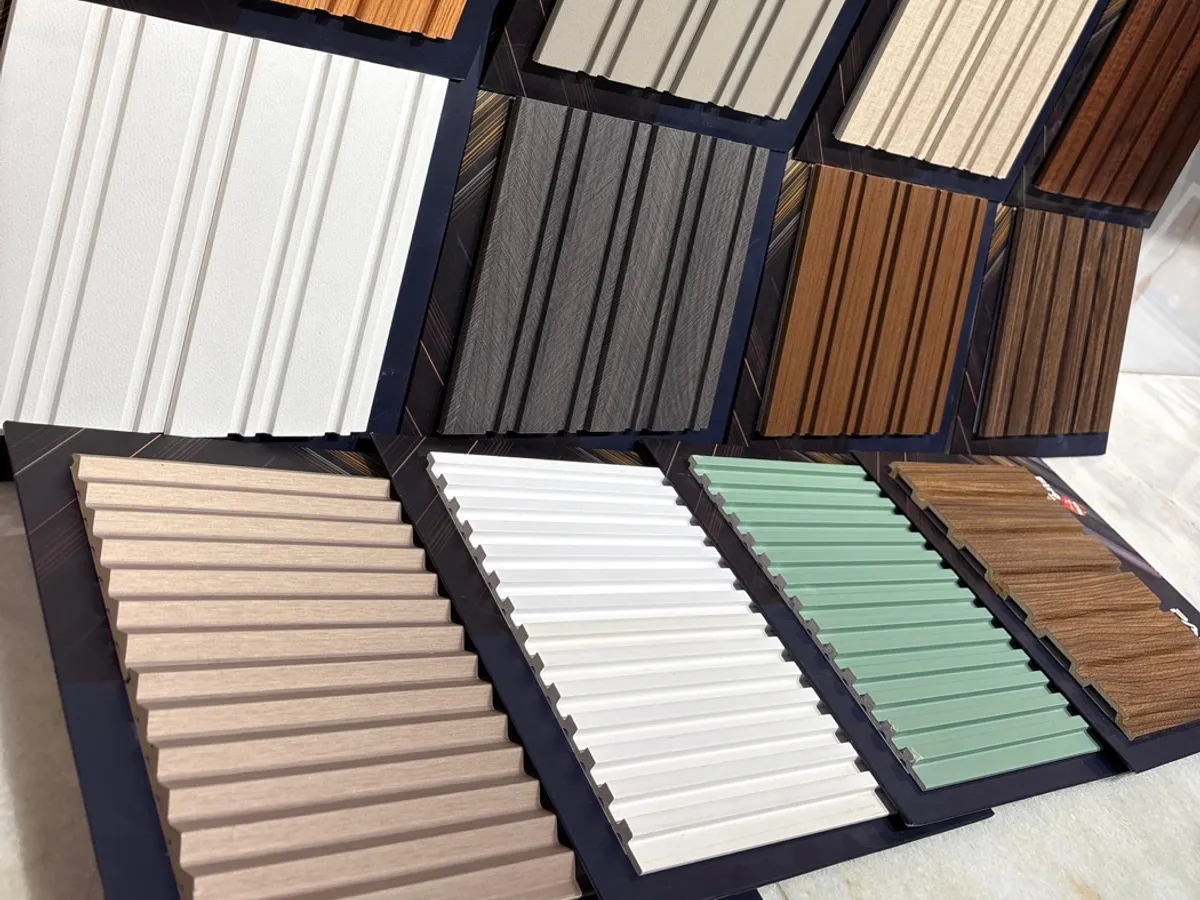
Fluted panels are wall panels with raised ribs and grooves running along their length, and in Tricity shops they are usually called louvers. They are made from WPC, PVC, MDF or solid wood, and fixed over a wall to add texture and shadow. The material decides which rooms they suit and how they must be fixed.
The look comes from light falling across the ribs. A plain wall reads as flat; the same wall in louvers picks up a pattern of light and shade that changes through the day. That is why a single louvered wall behind a bed or TV can do more for a room than a new colour of paint.
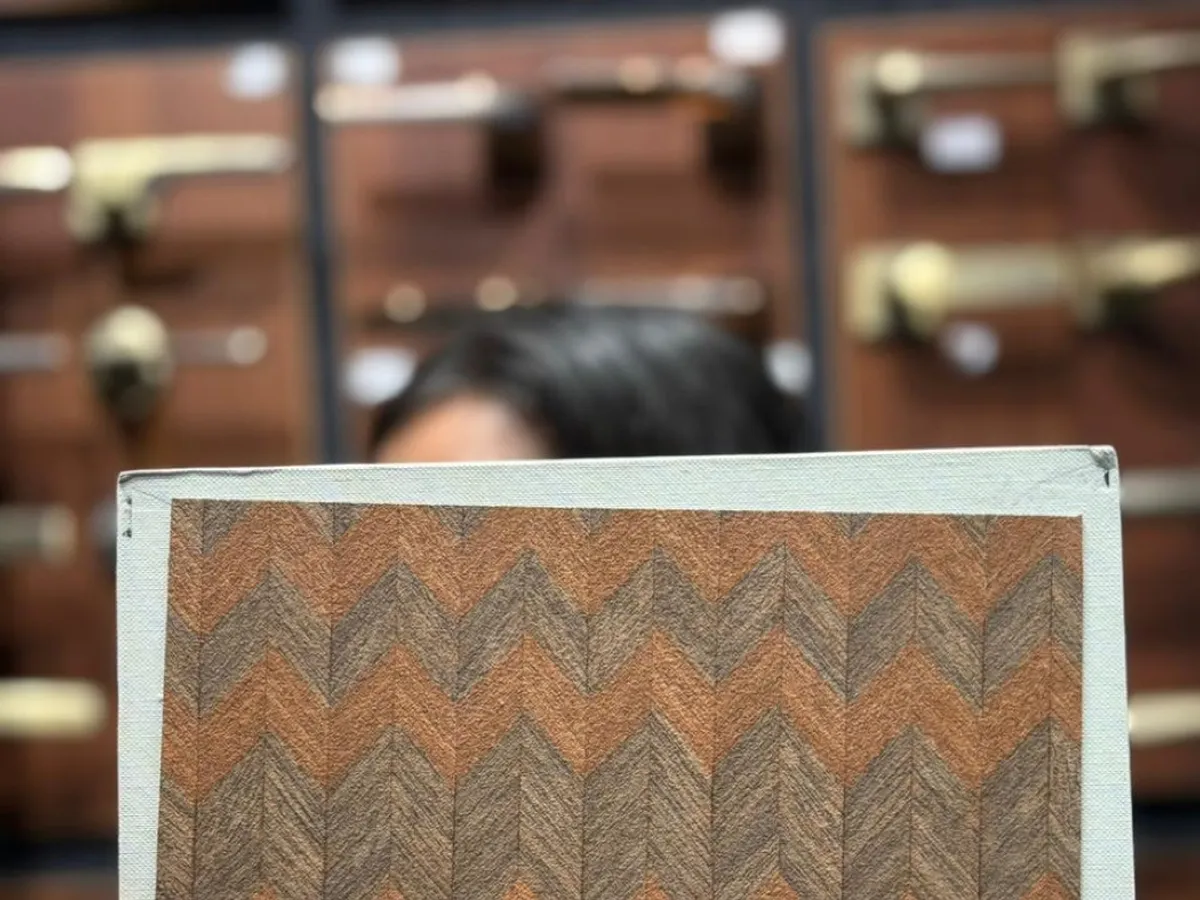
Most panels are sold as long strips that lock or butt against each other, in widths and rib profiles that vary by maker. Some laminate brands also make fluted laminates: Greenlam, for example, lists a 1.50 mm fluted collection with vertical 3D stripes. These go onto a board like any other laminate, which lets a wardrobe shutter carry the same look as the wall.
Which fluted panel material should you choose?
Start with the room and the wall, then choose the material. The finish on top (colour, wood grain, texture) comes last.
| Material | What it is | Damp areas | Weight and fixing | Look | Price tier |
|---|---|---|---|---|---|
| PVC | Hollow or foamed plastic profile, printed or coloured | Good | Light; clips or adhesive, often on a frame | Clean colours, printed woods | ₹ |
| WPC | Wood fibre or flour bound in plastic | Good, but can absorb some water | Light to medium; screws or clips on battens | Matt colours, wood tones | ₹₹ |
| MDF (laminated or painted) | Engineered fibre board, machined into ribs | Poor; swells if it gets wet | Medium to heavy; screwed to a frame | Crisp profiles, any paint or laminate | ₹₹ |
| Fluted laminate on board | A ribbed laminate sheet bonded to plywood or MDF | Depends on the board beneath | Made up like a shutter | Matches laminated furniture | ₹₹–₹₹₹ |
| Solid wood | Real timber battens or machined boards | Poor without sealing | Heavy; framed and screwed | Warm, natural grain | ₹₹₹₹ |
A few trade-offs are worth knowing before you choose. WPC resists rot and decay far better than wood, but the wood fibres inside can still take up water over time. PVC is the most water-tolerant, but it softens with heat, so keep it away from a hob, oven or chimney duct. Standard MDF may swell and break down if it gets soaked, so it belongs in bedrooms and living rooms, not near a sink.
Where do fluted panels work best in a home?
Louvers work best as one deliberate feature, not as wallpaper for the whole house. These are the places they earn their keep.
The favourite
A louvered panel behind the TV hides cable runs in a frame and gives the room a focal point. Plan the TV bracket's fixing points before the panels go up.
Softer than a headboard
A strip of louvers from floor to ceiling behind the bed frames it without the bulk of a cushioned headboard. Warm wood tones suit bedrooms.
Divide without closing in
Louvers on a frame can separate a dining area or a puja corner while letting some light through, depending on the design.
Above a bed or table
A band of louvers in a false ceiling draws the eye to a dining table or bed. Keep it light and screw-fixed to a frame.
Match the wall
Fluted laminate on a shutter can echo a louvered wall. Remember that ribs gather more kitchen grease than a flat shutter.
For flat furniture surfaces, the choice between matt, suede and gloss is covered in our laminate finishes guide.
Can you use louvers in a kitchen or bathroom?
You can, but only in PVC or WPC, and only on a wall that is sound and dry behind the panel. MDF and solid wood louvers soak up moisture and can swell or warp near sinks and showers. Keep any panel well clear of the hob, because heat can soften plastic profiles.
The monsoon is the real test in Tricity homes. External walls, walls shared with a bathroom and walls behind a kitchen sink can take on damp through the July–September monsoon. A panel hides that damp; it does not fix it. If a wall shows peeling paint, salt marks or a musty smell, have the cause repaired and let the wall dry before any paneling goes up.
- Check the wall first: peeling paint, white salt marks or a damp smell mean the wall needs repair before it gets panels.
- Choose the material by the room: PVC or WPC for kitchens, utility areas and bathrooms; MDF or wood for dry bedrooms and living rooms.
- Keep heat away: leave a clear gap between plastic louvers and the hob, oven or chimney duct.
- Mind what's behind: a frame of battens leaves an air gap that helps a wall breathe and gives cables a path.
Planning a feature wall?
Get a free quoteHow are fluted panels installed?
Most louvers go onto a frame of battens fixed to the wall, and are held with screws or clips. Some light panels can be glued straight to a wall that is flat, dry and sound. Always follow the panel maker's instructions, because fixing methods and expansion gaps differ by material.
- Mark everything first: switches, sockets, the TV bracket, lights and any cable runs. Moving them after paneling is messy.
- Fix the frame: wooden or aluminium battens, screwed to the wall and checked with a level so the panels run true.
- Start from a straight line: the first panel sets every rib that follows, so it is plumbed carefully.
- Fix panel by panel with the screws, clips or adhesive the maker recommends, leaving any expansion gap it asks for.
- Finish the edges with end caps, trims or a matching profile, and cut neat openings for switches.
How do you pick colours and wood tones for louvers?
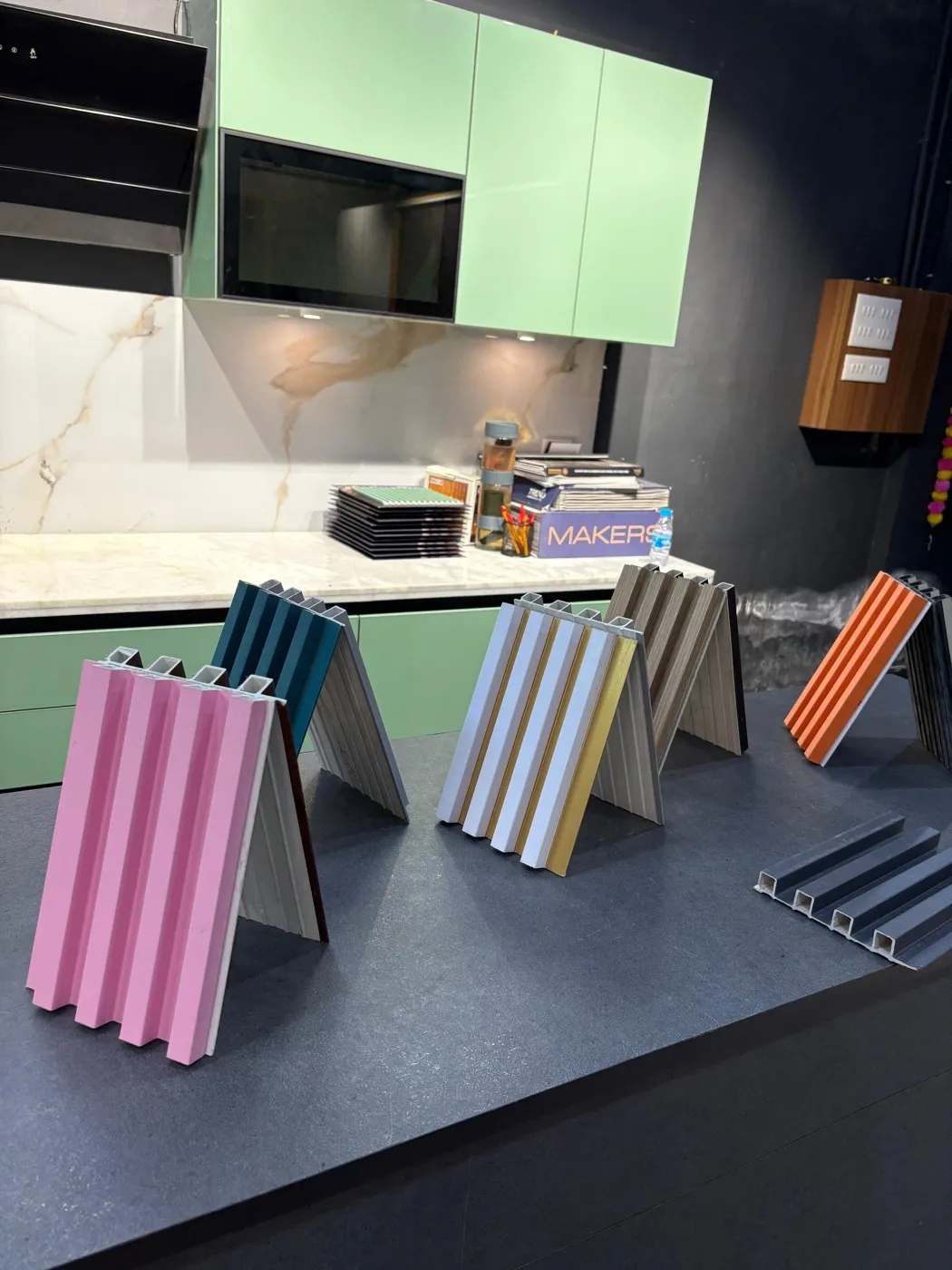
Treat a louvered wall as part of the furniture, not a separate decision. It sits next to your wardrobe, bed or TV unit, so it should agree with their finish.
- Match or contrast on purpose: the same wood tone as the furniture looks calm; a clear contrast looks intentional. A near-miss looks like a mistake.
- Light rooms take darker ribs; small or north-facing rooms usually look better in lighter tones that don't swallow the light.
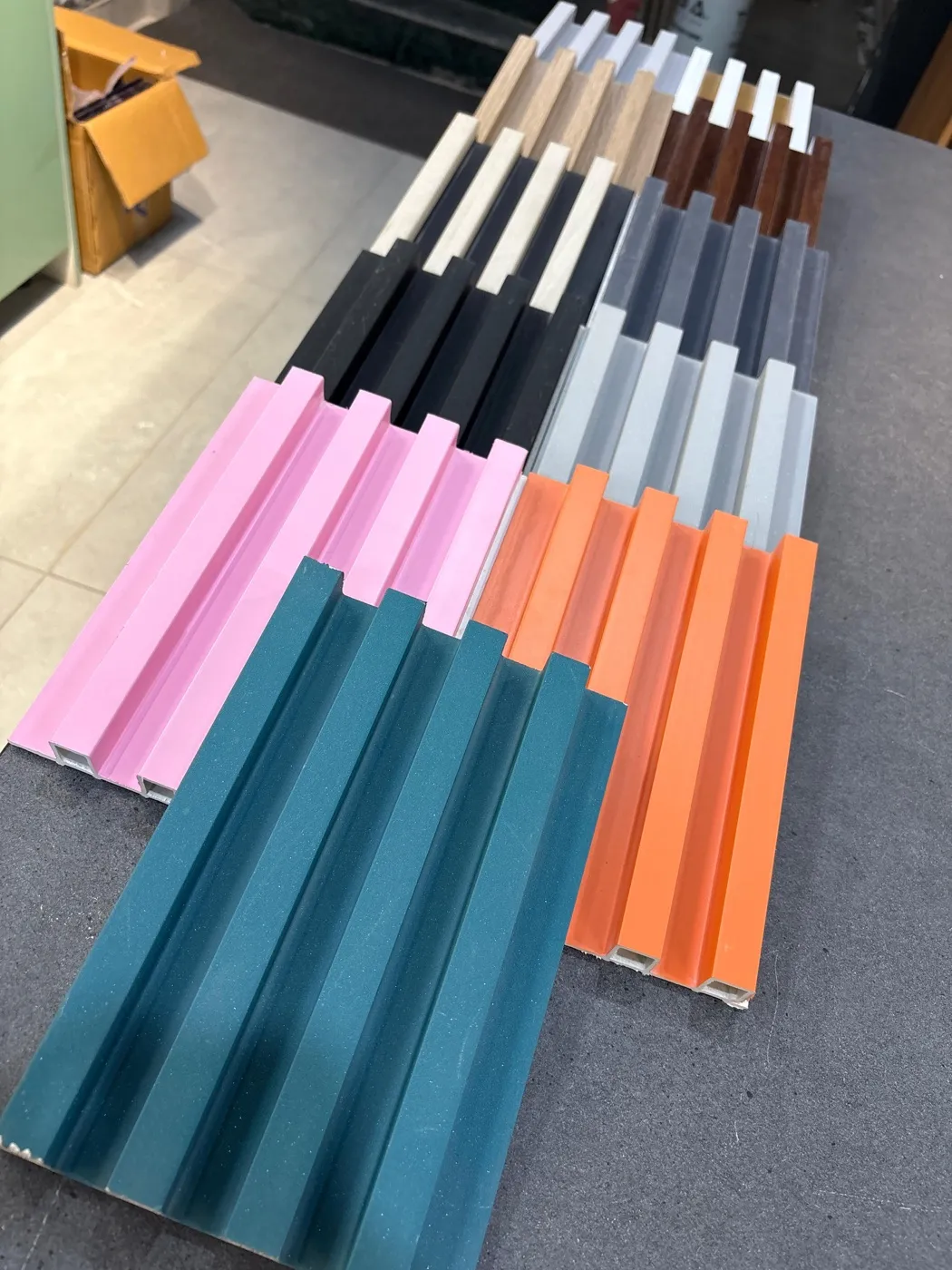
- Look at the ribs in raking light. Deep grooves throw strong shadows; shallow ones read almost flat from a distance.
- See a large sample on the wall, not a small piece on a counter, before ordering a whole wall.
If you are weighing real wood against a printed finish for the rest of the room, read veneer vs laminate.
How do you clean dust out of fluted grooves?
Grooves collect dust, and in a dusty Tricity summer they collect it quickly. A weekly dusting keeps it from building into a grey line along every rib.
- Dust along the grooves with a soft brush, a microfibre cloth or a vacuum brush attachment.
- Wipe with a damp cloth and a mild soap solution for marks, following the direction of the ribs.
- Skip steel scrubbers and scouring pads; they scratch printed and laminated faces for good.
- Avoid strong chemicals, bleach and wax polish on printed or laminated finishes.
What mistakes should you avoid with fluted panels?
- Paneling over a damp wall. The damp stays, and the panels can stain, swell or grow mould behind.
- Using MDF louvers beside a sink or in a bathroom. Choose PVC or WPC there.
- Forgetting the TV bracket. A heavy TV needs solid fixing into the frame or the wall, planned before paneling.
- Paneling every wall. One feature wall usually looks better and is easier to keep clean.
- Choosing a colour from a tiny chip. Look at a large sample in your own light, next to your furniture's laminate.
Before you finalise the wall, browse the gallery for how panels and laminates look in finished rooms, and check the sunmica vs laminate glossary if your carpenter's list has unfamiliar terms.
The Sri Sri Plywoods rule: pick the material for the wall, then the colour for the room. A dry bedroom wall does not need a plastic panel, and a damp one should never get MDF.