In this guide
- The finish is the feel and sheen of the laminate's face; the same printed design can come in several finishes.
- Suede and matte finishes are the everyday all-rounders; they hide fingerprints and small scratches better than gloss.
- High gloss reflects light and can make a small room feel bigger, but it shows fingerprints and smudges more readily.
- Anti-fingerprint super-matt laminates are made for high-touch shutters; check the brand's own care instructions.
- Clean every finish with a soft cloth and mild soap; never use steel scrubbers, scouring pads or strong chemicals.
What types of laminate finishes are there?
The main laminate finishes are suede (a soft, low-sheen texture), matte, super-matt anti-fingerprint, high gloss, textured or wood-grain, and synchro, where the texture follows the printed grain. Metallic and special finishes also exist. The finish changes how the sheet feels, reflects light and hides marks, even when the printed design is the same.
A finish is the surface of the laminate, pressed into its face when the sheet is made. The design is the printed paper underneath. Brands name their finishes differently, and each has many: Merino, for example, lists Suede, Matt, Hi-Gloss and Super Matt Anti-Fingerprint among its finishes, while Greenlam's range includes Suede, Anti-Fingerprint (AFX), Synchro and high-gloss collections.
The all-rounders
Low sheen with a light texture. They hide fingerprints and fine scratches well, which is why they are the usual choice for everyday shutters.
For high-touch doors
A very low-reflection, soft-touch surface designed to resist fingerprint marks. Brands sell it under their own names, so ask for it by type.
For shine and light
A smooth, mirror-like face that bounces light around a room. It looks striking, but it shows smudges and swirl marks more readily.
For a natural feel
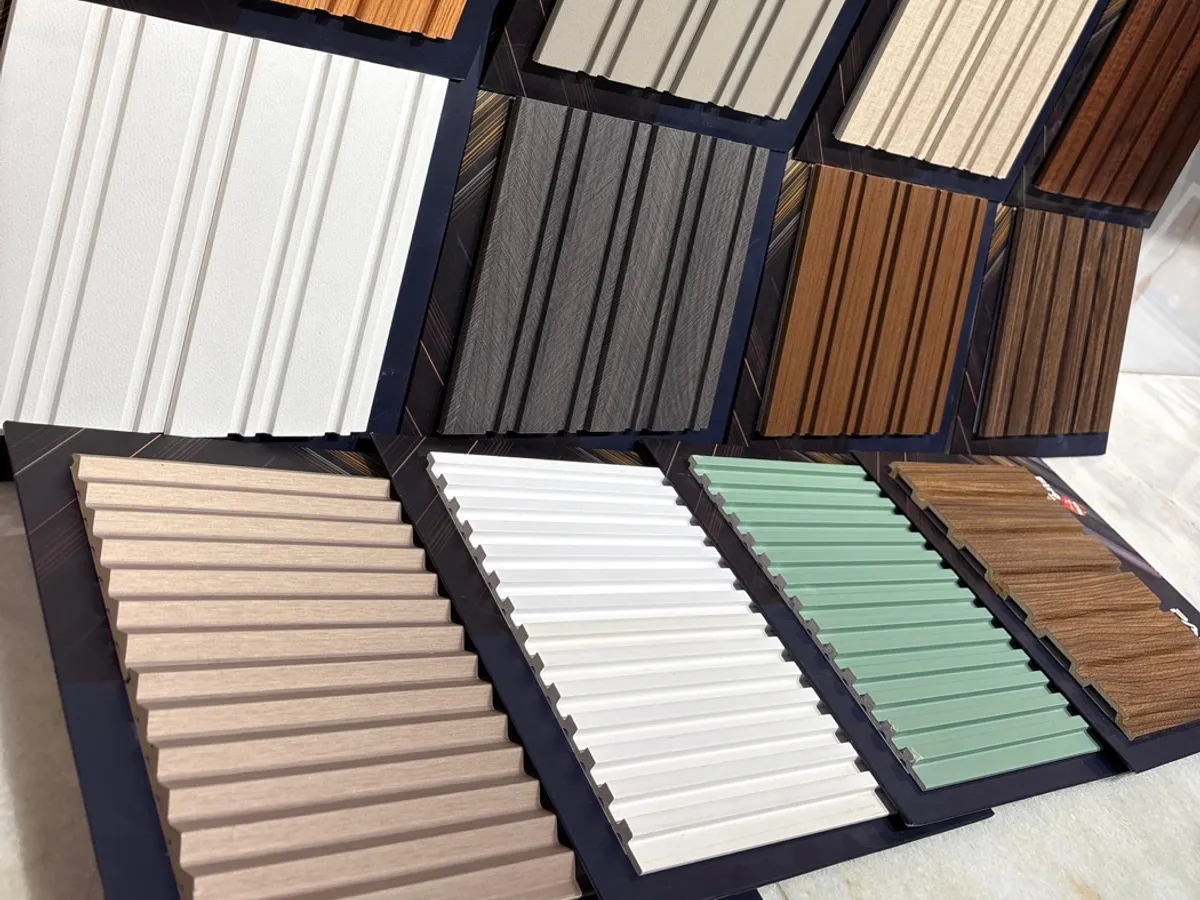
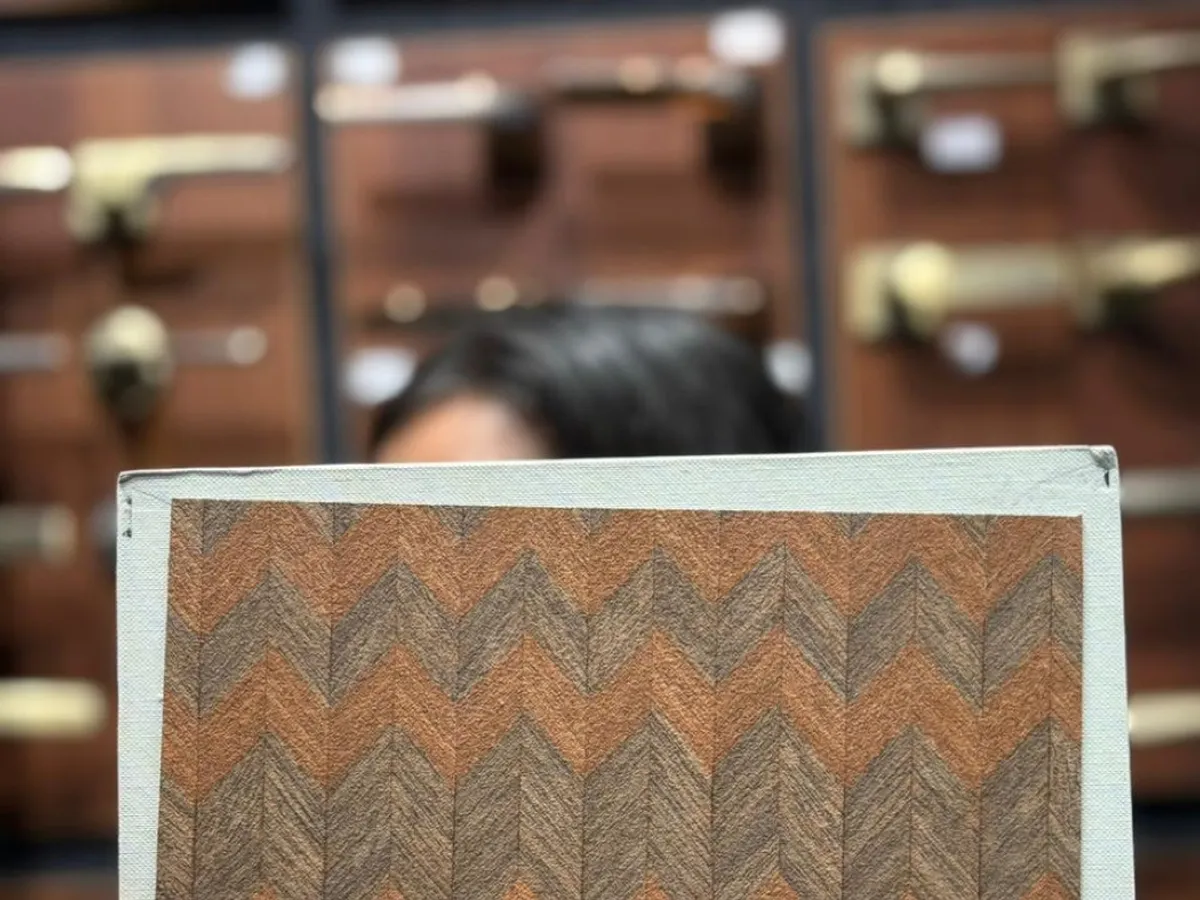
Grain, linen, stone or leather-like textures you can feel. They are forgiving of small scratches and suit wardrobes, TV units and wall panels.
Texture that follows the grain
The texture is pressed in step with the printed design, so the ridges trace the grain and veins. It is the closest a laminate gets to real wood under the hand.
For accents
Metal-look, glitter and other special surfaces. Best used in small doses, such as a single shutter or a bar unit.
Which laminate finish is best for an Indian kitchen?
For the shutters of an Indian kitchen, suede, matte or super-matt anti-fingerprint finishes are the most practical. They hide oily fingerprints, steam marks and small scratches, and a quick wipe keeps them clean. High gloss works on wall units or an island if you accept more frequent wiping. Sri Sri Plywoods advisors usually suggest a low-sheen finish for base units.
A kitchen shutter takes more handling than almost any other surface in a home. Base units are opened with wet or oily hands, bumped by utensils and wiped every day. That is where a forgiving finish pays for itself.
One practical split is a low-sheen finish on the base units, which take the knocks and the oily hands, and a lighter or glossier finish on the wall units, which mostly get looked at. It keeps the kitchen bright without turning the busiest doors into a daily cleaning job. Whatever you choose, keep one finish across doors that sit side by side: suede next to gloss in a single run looks like a mistake.
If you are still choosing between laminate, acrylic and PU for the shutters themselves, see our guide to kitchen shutter finishes.
Is matte or glossy laminate easier to maintain?
Matte is. Gloss shows fingerprints and scratches more readily than other finishes. Greenlam's own guide to high-gloss laminates notes that the reflective face makes fingerprints and smudges more visible, though they wipe off easily. The same is true of fine scratches: a mirror-like surface shows every swirl that a textured one would hide.
That does not make gloss a bad choice. It suits surfaces that are looked at more than touched: tall wall units, a TV back panel, a display shelf or a handle-less wall of shutters in a bright living room. Put it on the drawers under a hob and you will be polishing smudges every day.
These gloss levels are Greenlam's published nominal figures for its own ranges; a lower number means less shine. Other brands measure and name their finishes differently, so compare sheets side by side rather than by numbers alone.
Where does each laminate finish work best?
| Finish | Best use | Fingerprints | Small scratches | Everyday care |
|---|---|---|---|---|
| Suede / matte | Kitchen base units, wardrobes, study tables | Hides well | Hides well | Damp cloth, mild soap |
| Super-matt anti-fingerprint | High-touch shutters, handle-less doors | Designed to resist | Follow the brand's care guide | Soft cloth, mild soap |
| High gloss | Wall units, TV panels, accent shutters in bright rooms | Shows readily | Shows readily | Microfibre cloth only |
| Textured / wood-grain | Wardrobes, TV units, wall panels, bed backs | Hides well | Hides well | Soft nylon brush in the texture |
| Synchro | Feature wardrobes and wall panels | Hides well | Hides well | Soft nylon brush in the texture |
| Metallic / specials | Single accent shutters, bar units | Varies | Varies | Follow the brand's care guide |
Need today's rate?
Get a free quoteHow do lighting and room size change the choice?
Light decides how a finish looks more than the showroom does. A gloss sheet that glows under shop lights may throw glare in a sunny west-facing room, and a matte sheet that looks flat on a counter can look soft and rich at home.
- Small or dim rooms: lighter shades and some sheen reflect light and make the space feel larger.
- Bright, sunny rooms: low-sheen finishes cut glare; long direct sun can fade any laminate over time.
- Under-cabinet lights: strip lights skim along a shutter and show every ripple in a glossy face, so pick matte or suede there.
- Textured finishes need light across them to show their depth; flat front lighting makes them look plain.
How do you clean and maintain laminate finishes?
Wipe laminate finishes with a soft cloth or sponge and a mild soap solution, and dry them after. Use a soft nylon brush on textured finishes to lift dirt from the grain. Never use steel scrubbers, scouring pads, bleach, wax polish or strong acidic or alkaline cleaners, and wipe stains off promptly.
- Gloss: microfibre cloth for daily wiping; a mild soap solution for smudges.
- Suede and matte: a damp cloth handles most marks.
- Textured and synchro: a soft nylon brush with the recommended cleaner, then a wipe along the grain.
- Anti-fingerprint: follow the brand's care guide, as some specialty surfaces have their own cleaning advice.
- Everything: no steel wool, scouring powder or harsh chemicals, and no prolonged direct sunlight if you can help it.
How do you pair a finish with handles and edge-banding?
The finish sets the mood; handles and edge-banding finish the sentence. A matte shutter with a brushed or black handle looks calm, while a gloss shutter often suits a slim profile handle or a handle-less groove. Our cabinet handles guide covers the options, and the hardware section shows what the showrooms carry.
Edge-banding should match both the colour and the sheen of the face. A gloss shutter with a matte edge looks unfinished, and a wood-grain face needs a band whose grain tone agrees with it. Ask for the matching edge-band code when you order the laminate, not after the shutters are cut.

How do you judge a finish in the showroom?
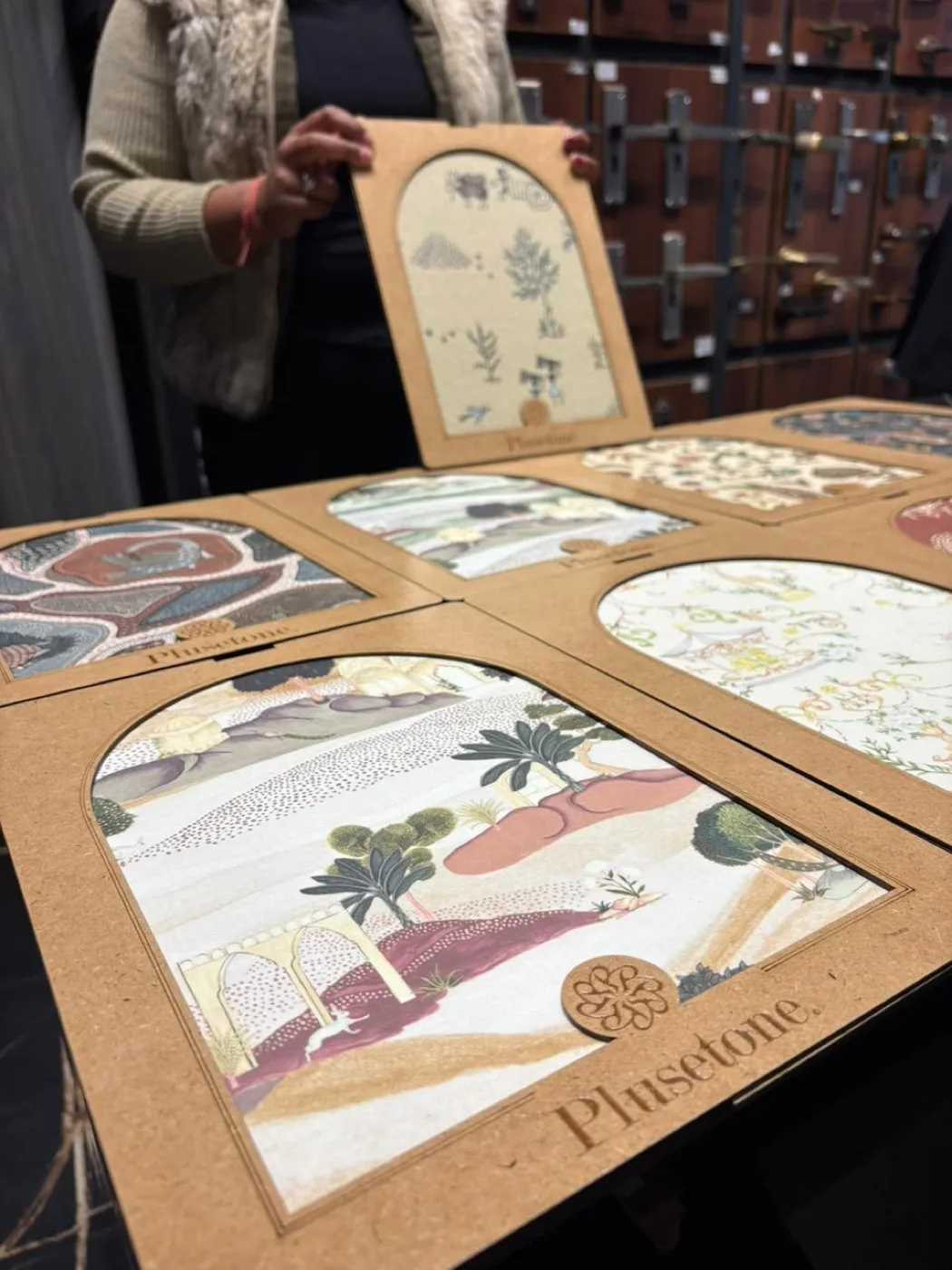
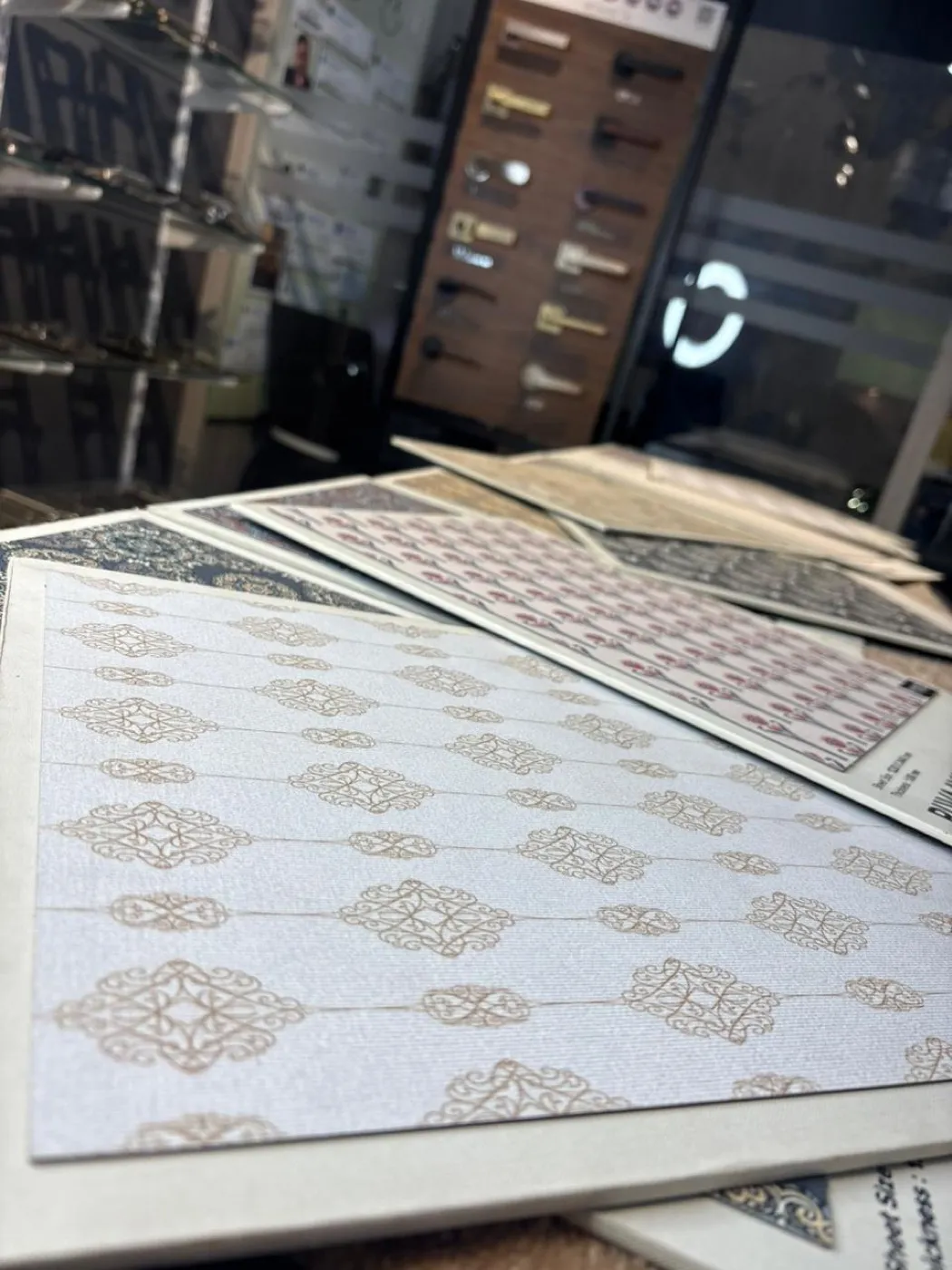
- Touch it. Run your fingers across suede, matte and gloss sheets of the same design; the feel matters on shutters you touch daily.
- Test a fingerprint. Press a thumb on each finish and see which one shows it.
- Tilt it under light. Hold the sheet at an angle to a lamp or window to see sheen and ripples.
- See a full sheet, or a large panel, not only a small chip.
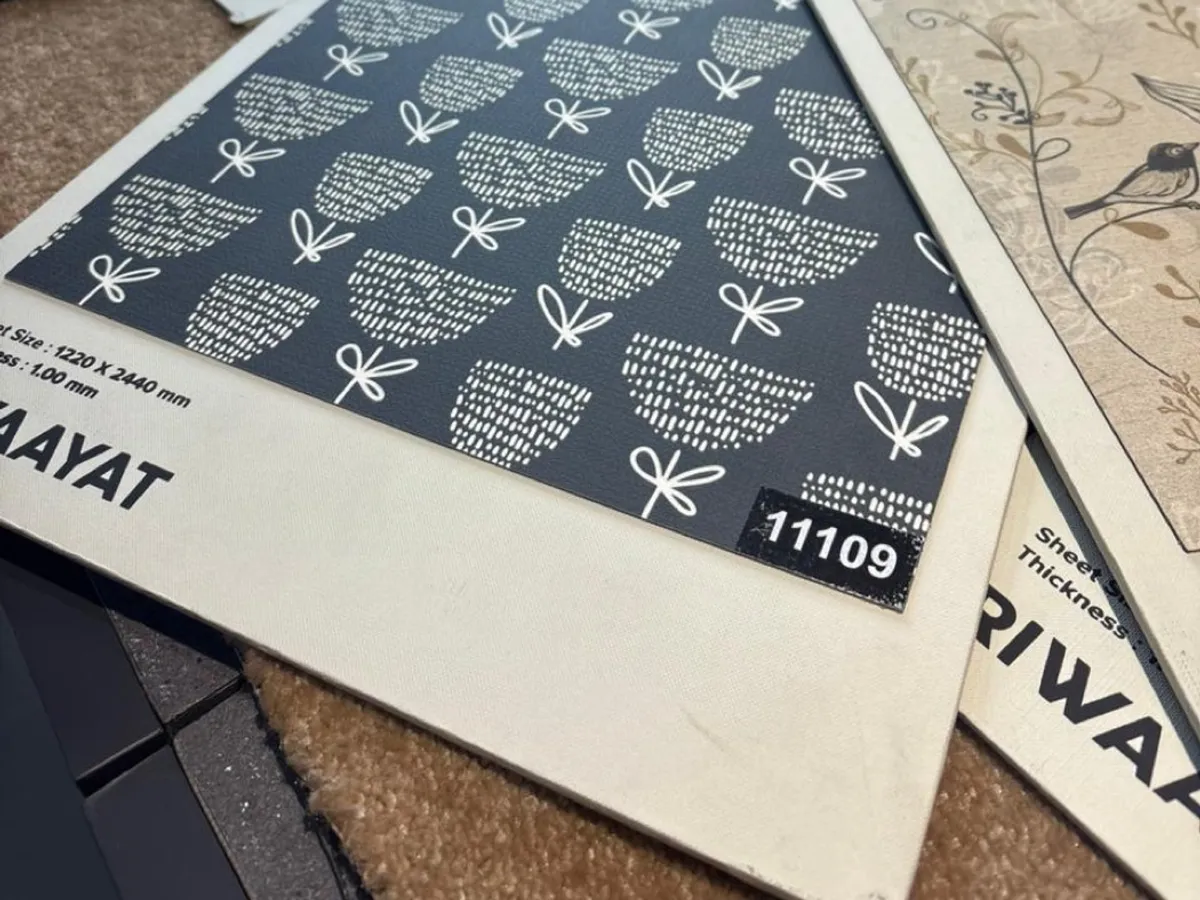
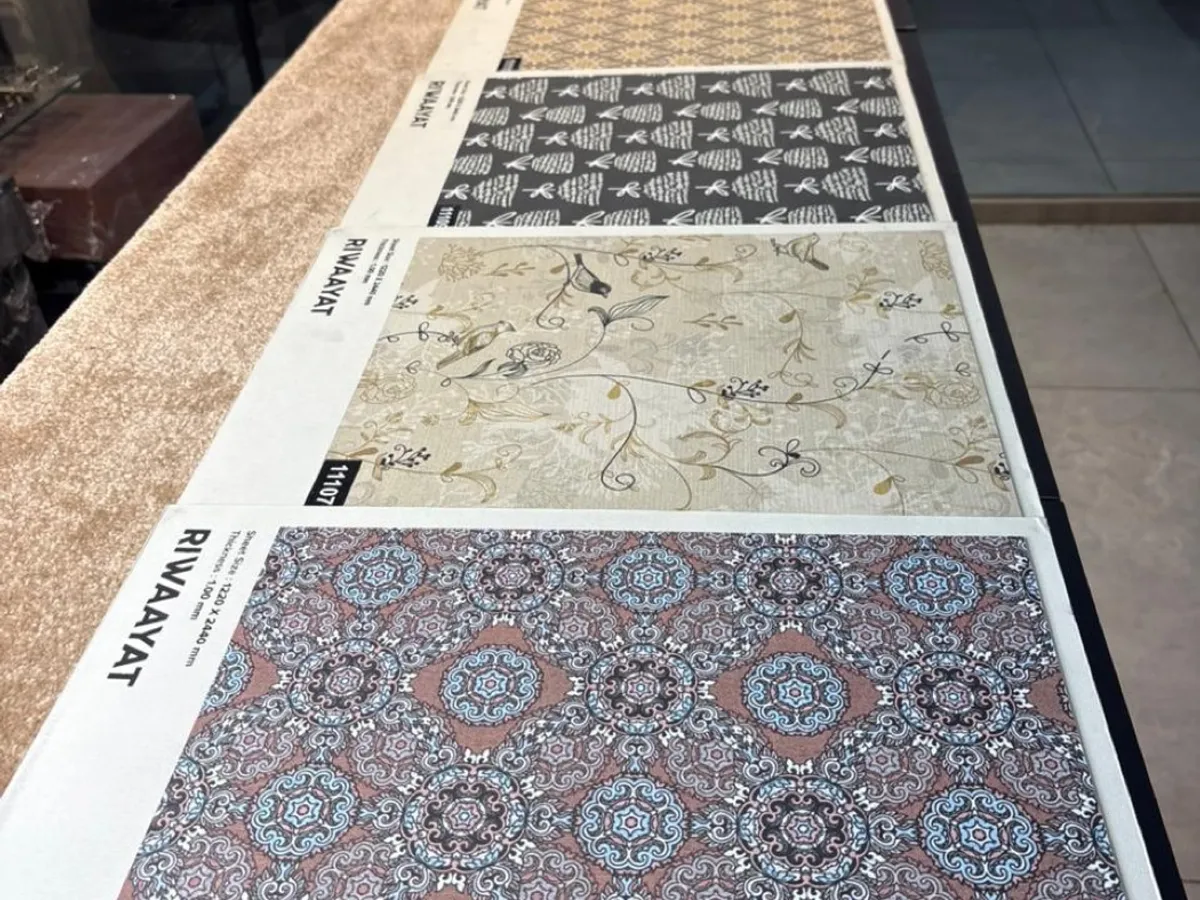
- Write down both codes: the design code and the finish code, for every sheet on your order.
For the thickness to pair with your finish, read the laminate thickness guide.
The Sri Sri Plywoods rule: pick the finish for the hands that will touch it, not the lights in the showroom. A suede kitchen that still looks clean on a busy Sunday beats a gloss one you have to polish daily.